
What Every Heritage-Overlay Homeowner in Hobsons Bay Should Know Right Now
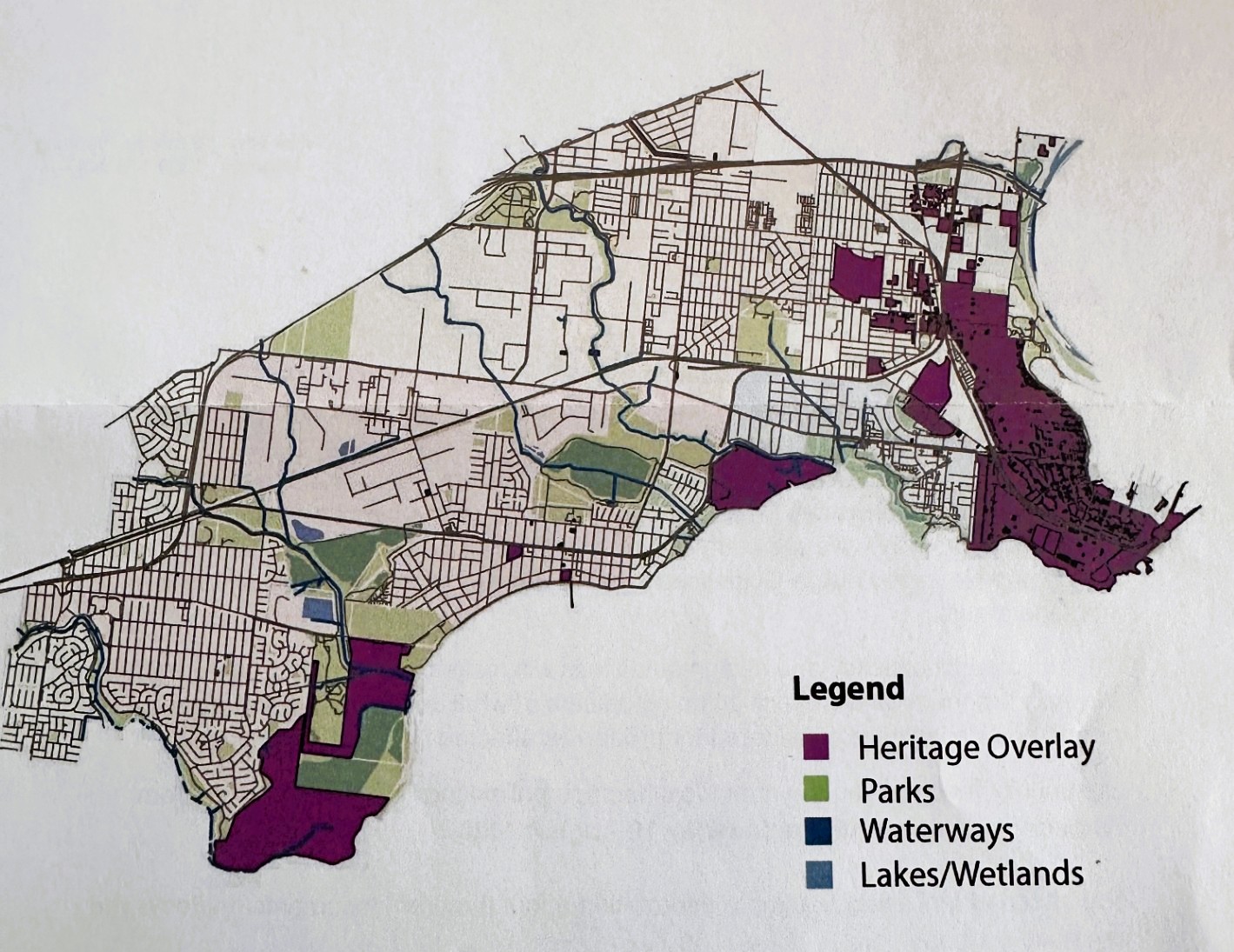
If you live in Williamstown, Newport, Altona, Spotswood, or anywhere else in Hobsons Bay with a heritage overlay on your title, you’ve likely received a council flyer in the last week or two. It announces a public consultation on the Draft Local Heritage Policy and Design Guidelines — and it’s worth reading properly, not filing away.
Here’s what’s actually happening, why it matters if you own a heritage-overlay property, and what to do before feedback closes on Wednesday 19 August 2026.
What’s actually changing
Right now, Hobsons Bay’s heritage rules are spread across several separate documents — some dating back to 2006 and 2008. Council is replacing them with one consolidated local policy and a single set of design guidelines that will apply to every property within a Heritage Overlay (HO) in the municipality.
The documents being replaced include:
- Guidelines for Alterations and Additions to Dwellings in Heritage Areas (2006)
- Guidelines for Infill Development in Heritage Areas (2006)
- Heritage Streets and Laneways Policy and Management Plan (2008)
- The Solar Panels planning application fact sheet (2019)
- The heritage-relevant sections of the Advertising Signs Guidelines
In their place, the draft policy sets out preferred approaches and expected outcomes across a much wider scope than before, including:
- Conservation, maintenance and repair
- Demolition (including demolition by neglect)
- Alterations and additions to heritage places
- Residential infill development
- Sustainability, services and ancillary features — including solar panels
- Fences, gates and boundary treatments
- Vehicle access, garages, carports and on-site parking
- Landscapes, gardens, parks and trees
- Public infrastructure in heritage precincts (bluestone kerbs and channels, for example)
That’s a genuinely broad remit. This isn’t just a facade-and-heritage-colour-scheme document — it will shape how council assesses almost every type of planning permit application on a heritage property, from a rear extension to a new carport to rooftop solar.
Why this matters if you’re in a heritage overlay
Consultation documents like this tend to fly under the radar. They read as council administration rather than something with a direct bearing on your home — until a permit application gets assessed against them a few years down the track, and the guidelines that shaped that decision were finalised while everyone’s attention was elsewhere.
Andrew, who’s spent over 40 years working within heritage overlays across Melbourne, puts it plainly: “The projects that run into trouble in a heritage overlay are almost never the ones where someone understood the rules going in. They’re the ones where the rules were a surprise halfway through.”
If you own a property in a Hobsons Bay heritage overlay — whether you’re planning a project this year or in five years — this consultation is your chance to have input into the framework that will assess it.
What to look for before you submit feedback
A few areas worth paying particular attention to, depending on what you might want to do with your property:
Planning an extension or alteration? The draft guidelines set out preferred approaches for additions to heritage dwellings — read this section closely if you’re thinking about extending, especially anything visible from the street.
Thinking about solar, or upgrading services? Sustainability and ancillary features now sit inside the main heritage policy rather than a standalone fact sheet — worth checking how solar panels and similar upgrades are treated.
Need off-street parking, a garage, or a carport? Vehicle access and garaging is a newly consolidated section — this is often one of the more contentious areas in heritage streetscapes, so it’s worth understanding council’s preferred approach before you commit to a design.
Considering fences or boundary treatments? These are addressed explicitly in the draft for the first time under this consolidated approach.
If any of the above reflects a project you’re already thinking about — even loosely — it’s worth reading the relevant section of the draft now rather than after it’s adopted.
How to have your say
Community feedback is open Wednesday 8 July to Wednesday 19 August 2026. You can:
- Submit feedback online via participate.hobsonsbay.vic.gov.au
- Attend a drop-in session to speak with a council planning officer directly:
- Thursday 23 July, 3–5pm — Newport Community Hub, 13/15 Mason Street, Newport
- Sunday 9 August, 12–2pm — Commonwealth Reserve, Williamstown (next to the Visitor Information Centre)
- Contact council’s Strategic Planning team on 1300 179 944 or strategicplanning@hobsonsbay.vic.gov.au
After feedback closes, council will review submissions and finalise the policy and guidelines, before introducing them into the Hobsons Bay Planning Scheme through a formal Planning Scheme Amendment — a process council’s own timeline places in early-to-mid 2027.
If you’re planning a renovation now, don’t wait
One thing worth being clear on: the current heritage policy still applies until this draft is formally adopted. If you’re partway through planning a renovation, or thinking about starting one, there’s no need to pause and wait to see how the guidelines land. The existing rules are still what your application will be assessed against for some time yet.
That said, understanding the direction council is heading — and having your say on it now — puts you in a stronger position either way.
If you’d like a second opinion on how the draft guidelines, or the current heritage overlay controls, might apply to your specific property, a Feasibility Session is a low-commitment way to get a straight answer before you invest time or money in a design. If you’d rather start with some background reading, our Melbourne Residential Planning Guide covers how heritage overlays affect renovation decisions more broadly — free to download.